
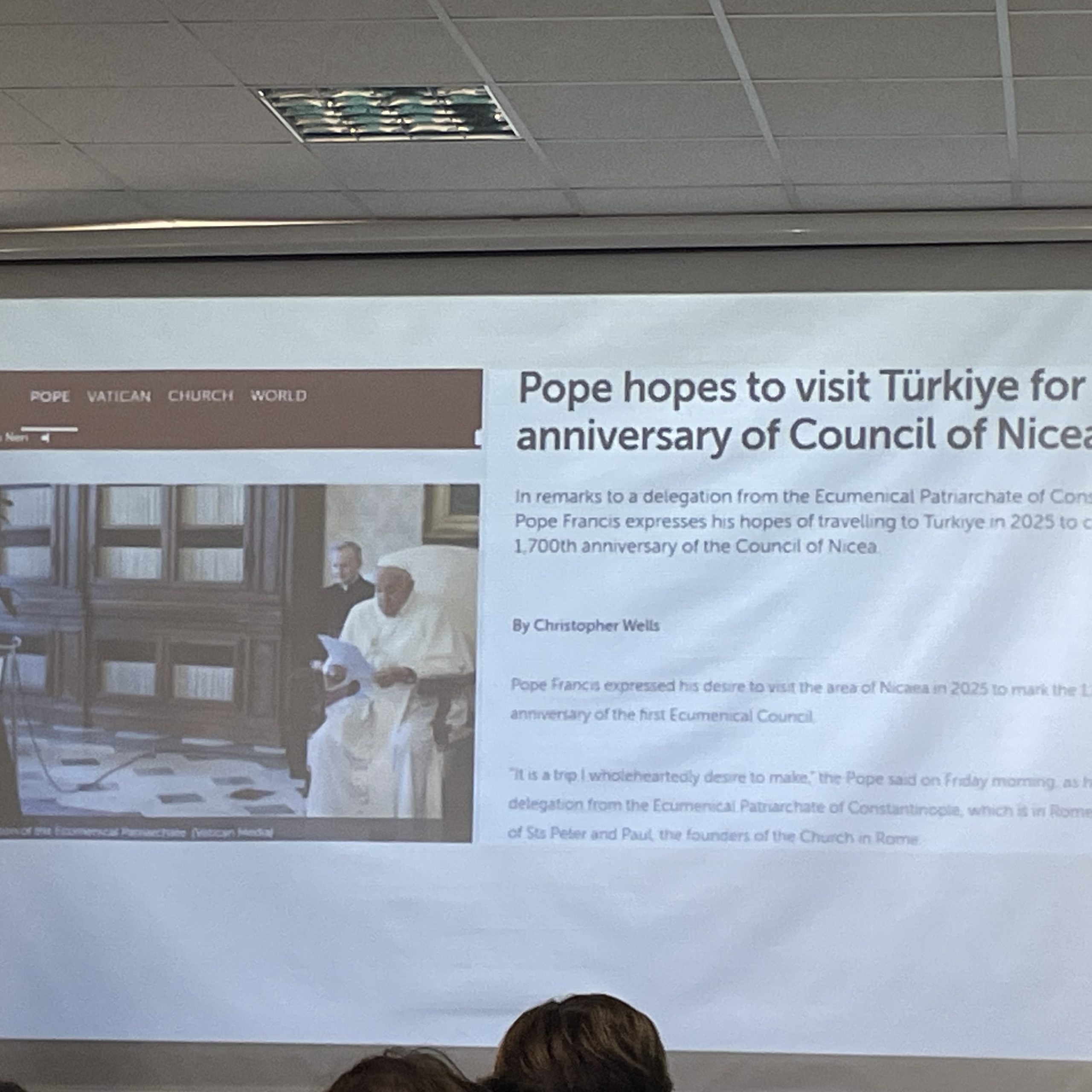

Iznik, with its rich historical and artistic heritage, offers a fascinating day-trip destination from Istanbul. Known as Nicaea in ancient times, Iznik played a crucial role in early Christianity, being the site of the First Council of Nicaea in 325 AD, which laid the foundation for Christian doctrine and established the Nicene Creed. 2025 marks the 1,700th anniversary of this important event, and visitors to Iznik will have the opportunity to explore the legacy of the council through exhibitions, tours, and visits to significant historical sites, such as the church where the council took place.
However, Iznik’s historical significance is not limited to its role in Christianity. The town is also home to important Byzantine-era structures and artistic treasures. The Hagia Sophia of Iznik, originally a Byzantine church and later converted into a mosque, offers valuable insight into Byzantine art and architecture. Inside, while most of the mosaics are no longer visible, there is one notable area ” Omphalion” (the site of the crown ceremonies ) where remnants of Byzantine mosaics can still be seen. This space is an essential example of the fine craftsmanship of the Byzantine period.
 ,
,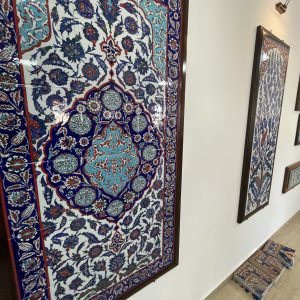
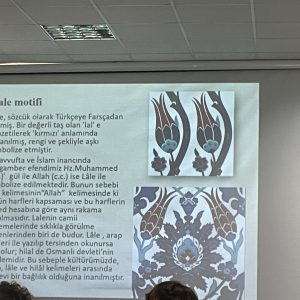
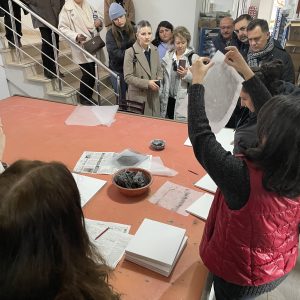
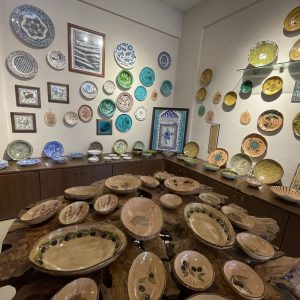
In addition to the mosaics, Iznik is renowned for its traditional ceramics, particularly its famous Iznik tiles and pottery, which have been crafted here for centuries. These ceramics are a testament to the region’s artistic heritage. Recently, Iznik hosted an educational trip for tourist guides organized by the Bursa Municipality, Bursa Tourist Guides Association and Istanbul Tourist Guides Association, focusing on the rich tradition of Iznik ceramics. The event was part of the “Cultural Sustainability in Tourism” initiative and aimed to preserve and promote the region’s ceramic heritage. The guides had the opportunity to visit local workshops, such as the Mavi Çini workshop, one of the largest tile producers in Iznik, where they learned about the intricate processes behind making these iconic tiles. The workshop included both theoretical discussions about the history of Iznik ceramics and practical demonstrations of their production techniques. This initiative highlights the importance of preserving and passing on Iznik’s unique cultural and artistic heritage.
Additionally, the first day featured a very productive presentation by Dr. Emel Adamış on the traces of Iznik, followed by a detailed presentation on Iznik ceramics by our esteemed instructor, Senanur Gündogdu Dodevski. Finally, during the visit to the workshop of Adilcan Nursan, who is listed on UNESCO’s Living Human Treasures list, we had the opportunity to see ceramics from different periods of Iznik tiles.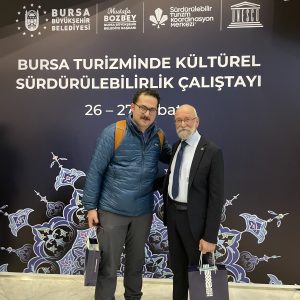
On the second day of the event, the guides also participated in sessions organized by the Bursa Metropolitan Municipality on the theme of “Sustainable Bursa Tourism.” These sessions provided an opportunity for knowledge exchange and allowed the guides to gain valuable insights from key figures in the tourism sector, discussing the future of sustainable tourism and its importance for the region.
A trip to Iznik offers more than just a journey through time—it’s a chance to experience the fusion of history, art, and spirituality in one of Turkey’s most fascinating towns. From exploring the legacy of the First Council of Nicaea to discovering the ancient mosaics and timeless ceramics, Iznik presents a remarkable opportunity to delve into Turkey’s rich cultural heritage.
As it marks the 1700th anniversary of the Council of Nicaea, I am receiving more inquiries about İznik this year. I am currently preparing a detailed itinerary, and I will share the link soon so you can view more information.
0 Comment