
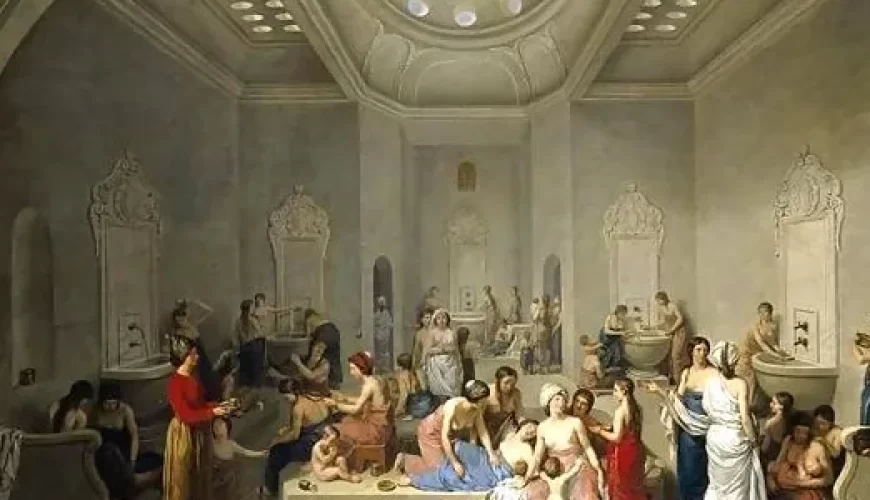
Turkish Hamam and Roman Baths: A Shared Legacy of Relaxation and Wellness
The Turkish Hamam, commonly called a bathhouse, represents an iconic cultural institution with historical roots extending back several centuries. Renowned for its luxurious rituals and tranquil atmosphere, the Hamam has served a vital role in Turkish society by providing a venue for hygiene, relaxation, and social interaction. Notably, numerous elements of the Turkish Hamam are intricately linked to the traditions of Roman baths, thereby underscoring a shared heritage that connects antiquity with contemporary practices
-
BY Berkay Akarsu
- April 28, 2022 4:30 am
- no comment
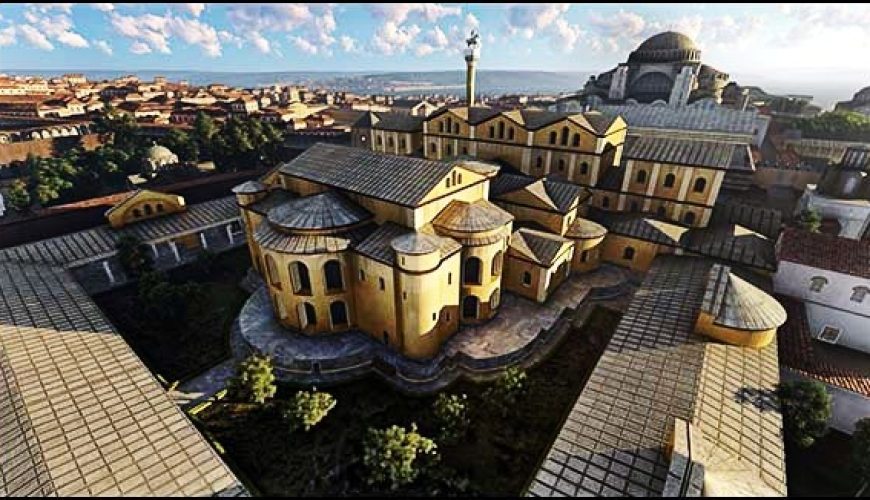
Before the Hurrem Sultan Hamam
Long before the Hurrem Sultan Hamam came into existence, the same grounds were occupied by a much larger Roman bathhouse called Zeuxippus. Sinan, the Architect, and Sultan Suleiman had this distinctive way of expressing imperial urbanism with constant analepsis of the collective consciousness derived from the antiquity to the Eastern Roman era- that is why the Hurrem Sultan Hamam is located on top of the ruins of an old Roman bath house.
-
- April 28, 2022 4:29 am
- no comment