
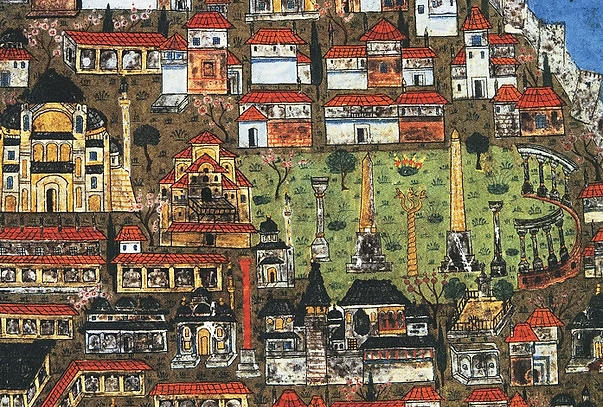

The Serpent Column in Istanbul and the Temple of Apollo at Delphi, Greece, stand as monumental relics of an ancient world rich with history, spirituality, and artistry. Though separated by geography, these landmarks are bound by their significance in commemorating human achievement and divine reverence.
The Serpent Column: A Trophy of Unity and Triumph
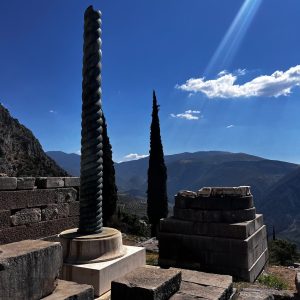
The Serpent Column, now situated in the Hippodrome of Istanbul (formerly Constantinople), is an enduring testament to the collective victory of Greek city-states over the Persian Empire during the Greco-Persian Wars. Originally crafted in 479 BCE, this bronze column was commissioned as a votive offering to Apollo at Delphi to celebrate the triumph at the Battle of Plataea.
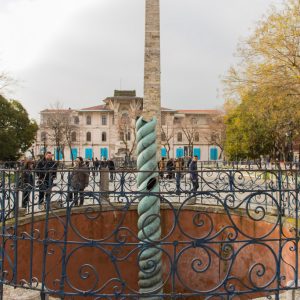
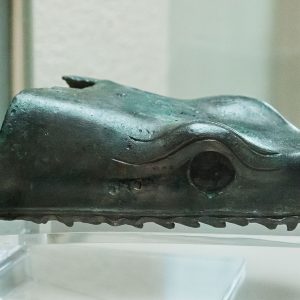
The column’s design is unique, featuring three intertwined serpents forming a single spiraling shaft. At its zenith originally rested a golden tripod, though both the tripod and the serpent heads have been lost to time. The serpents’ heads once bore a bowl that symbolized unity among the Greek states that contributed to the Persian defeat. Despite its current incomplete state, the column remains a powerful symbol of ancient collaboration and determination.
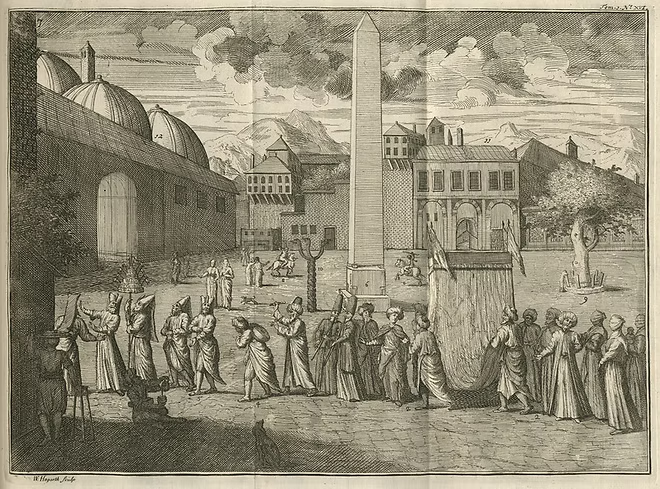
In the 4th century CE, Emperor Constantine the Great transported the column to his new capital, Constantinople, as part of his efforts to link his city to the glory of ancient Greece. Its relocation to the Hippodrome further solidified its importance, turning it into a centerpiece of Byzantine public life and a witness to centuries of history, including riots, celebrations, and imperial processions.
Today, the Serpent Column’s remnants evoke both the fragility and resilience of history, offering visitors a tangible connection to one of antiquity’s defining conflicts.
The Temple of Apollo at Delphi: A Gateway to the Divine
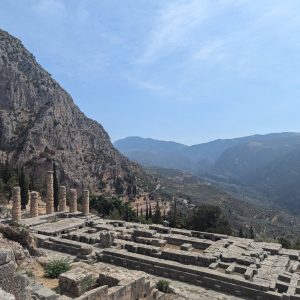
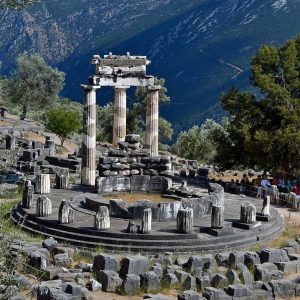
Nestled on the slopes of Mount Parnassus, the Temple of Apollo at Delphi is one of the most iconic religious sites of ancient Greece. Revered as the home of the Delphic Oracle, the temple was a beacon for pilgrims seeking divine guidance. Believed to be the center of the world, or the “navel of the Earth,” Delphi was a spiritual hub where mortals communicated with Apollo, the god of prophecy, music, and light.
The temple’s history stretches back to the 8th century BCE, though the structure that exists today is a reconstruction from the 4th century BCE, following earlier iterations that were destroyed by earthquakes and fire. Built in the Doric style, the temple’s architecture exemplifies classical Greek aesthetics, with its harmonious proportions and elegantly fluted columns.
Inside the temple, the adyton housed the Pythia, the priestess of Apollo who delivered cryptic prophecies believed to be inspired by the god himself. Surrounding the temple, the Sacred Way wound its way through treasuries, monuments, and statues, each offering a glimpse into the wealth and devotion of city-states and individuals who sought the oracle’s favor.
The Temple of Apollo is not just an architectural marvel but also a cultural cornerstone that embodies the Greeks’ reverence for their gods and their quest for understanding the mysteries of existence. Its ruins continue to captivate modern visitors, who come to marvel at its enduring grandeur and imagine the profound experiences of those who once walked its sacred grounds.
Bridging the Past and Present
Though the Serpent Column and the Temple of Apollo at Delphi originated in different contexts, both monuments encapsulate the essence of ancient Greek civilization. The Serpent Column speaks to the power of unity and collective triumph, while the Temple of Apollo symbolizes the human desire for divine connection and enlightenment.
As modern travelers visit these sites—one in the bustling city of Istanbul, the other in the serene mountains of Greece—they are reminded of the enduring legacy of a culture that shaped the foundations of Western thought and art. These relics, weathered by time yet steadfast, serve as bridges between the past and present, inviting reflection on the achievements and aspirations of those who came before us.
0 Comment