
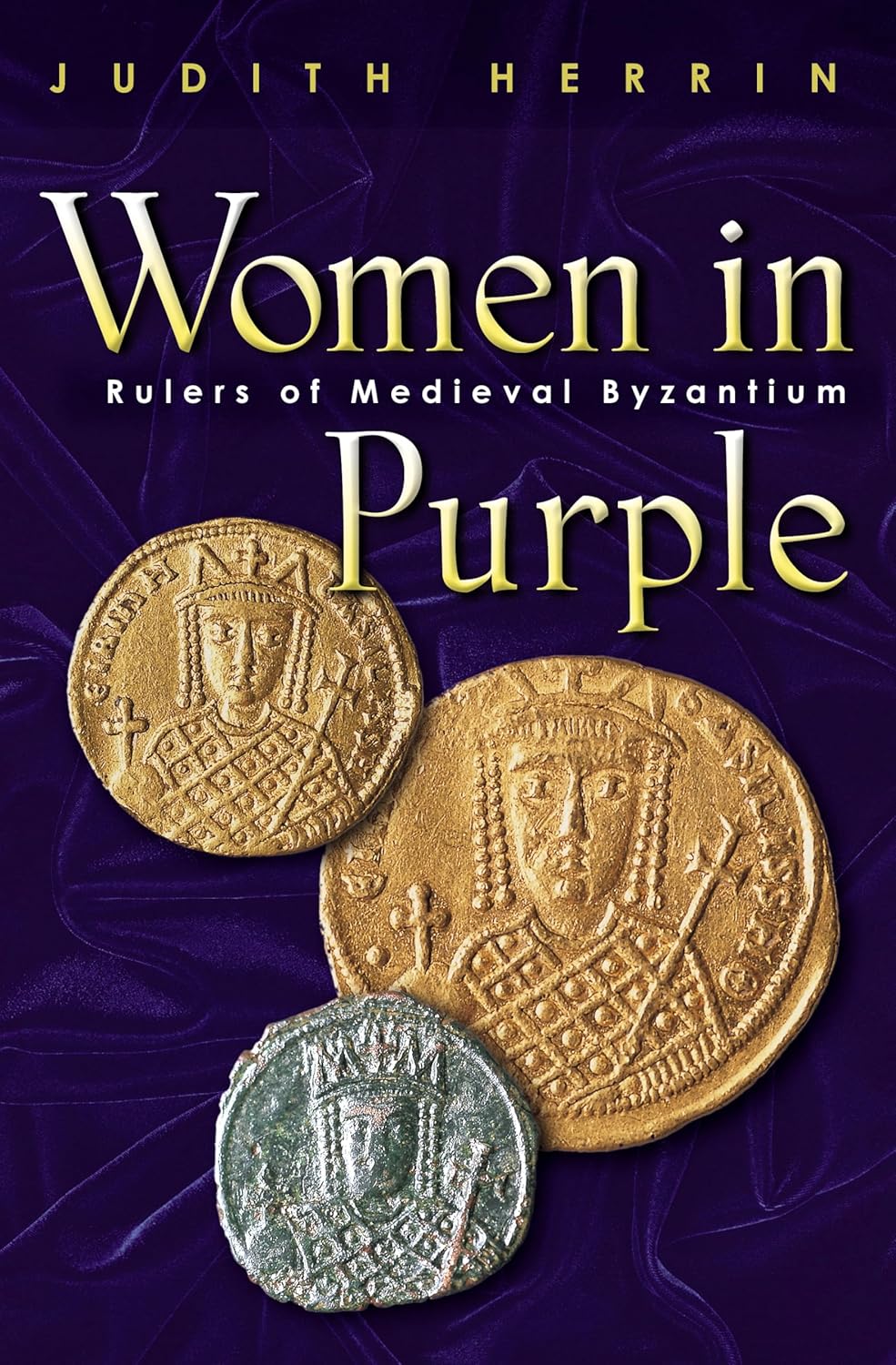

Throughout history, women have played significant roles not only within their families but also in state governance and politics. Their influence on power and authority was particularly striking in the Byzantine Empire. Also known as the Eastern Roman Empire, Byzantium was a stage filled with intrigues, power struggles, and political games, where some women left an indelible mark on history. Sometimes as wives, sometimes as mothers, and sometimes as direct rulers, these women became key figures in shaping Byzantine politics and culture. Here are some of the most influential and powerful women of the Byzantine Empire:
In the following blog post, I endeavor to highlight the influential contributions of powerful women. However, for those interested in exploring the topic of the “Purple Power of the Byzantine Empire” in greater depth, I wholeheartedly recommend the book authored by Judith Herrin, titled “Women in Ruler of Medieval Byzantium Purple.“
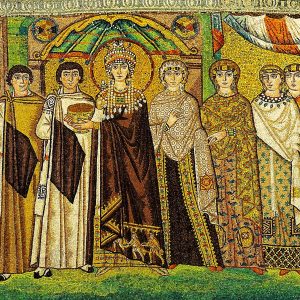
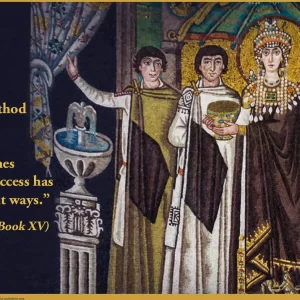
Theodora (500-548): A Powerful Empress
Empress Theodora, wife of Emperor Justinian I, is regarded as one of the most powerful women in Byzantine history. Despite her humble origins, her intelligence, ambitious personality, and determination allowed her to rise to a prominent position in imperial governance. Theodora championed women’s rights, facilitated the rehabilitation of prostitutes, and promoted religious tolerance. Particularly during the Nika Revolt of 532, her bravery demonstrated her strength as a leader. While Justinian hesitated, Theodora stood firm, ensuring that the empire remained stable. Her influence on Byzantine policies continued long after her death.
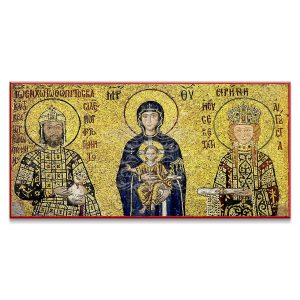
Empress Irene Mosaic- Hagia Sophia -İstanbul
Irene (752-803): The First Female Emperor
Empress Irene was the first woman to rule the Byzantine Empire alone, known for her political acumen and hunger for power. Initially the wife of Emperor Leo IV and regent for her son, Constantine VI, Irene eventually seized full control. In 797, she deposed her own son, becoming the first sole female ruler of Byzantium. Irene opposed iconoclasm, gaining the support of icon-worshippers and leaving a lasting mark on Christian history. However, due to her strict governance and ambition, she was overthrown in 802. Despite her downfall, her reign was a testament to the fact that women could attain the highest positions of power.
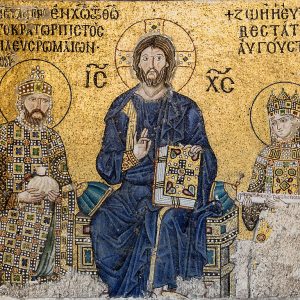 Empress Zoe Mosaic- Hagia Sophia -İstanbul
Zoe Porphyrogenita (978-1050): The Symbol of Power and Splendor
Empress Zoe remained an influential figure on the Byzantine throne for many years, marrying three different emperors and always staying at the center of power. Skilled in court intrigue and political maneuvering, Zoe also contributed significantly to art and culture. Her palace, adorned with golden decorations and mosaics, reflected her love for luxury and opulence. Her reign showcased how women could hold direct political authority.
Anna Komnene (1083-1153): The Female Historian of Byzantium
Anna Komnene was not only a princess but also Byzantium’s first female historian and an intellectual figure. She authored the Alexiad, a chronicle of her father Emperor Alexios I Komnenos’ reign, which remains one of the most crucial sources of medieval history. In addition to her literary contributions, Anna was involved in power struggles. However, after a failed coup, she was sent to a monastery, where she spent the remainder of her life. Her works provide invaluable insights into Byzantine history and the intellectual achievements of women.
Conclusion; Women in Byzantium Were More Than Shadows. In the Byzantine Empire, women were not just wives and mothers but direct and powerful decision-makers in governance. Theodora’s courage, Irene’s ambition, Zoe’s political cunning, Anna Komnene’s intellectual depth, and Theophano’s intrigue highlight the diverse ways in which women shaped Byzantine history. Their stories are a testament to the immense impact women can have on the course of history. Byzantium was not only defined by its emperors and wars but also by its powerful women.
0 Comment