
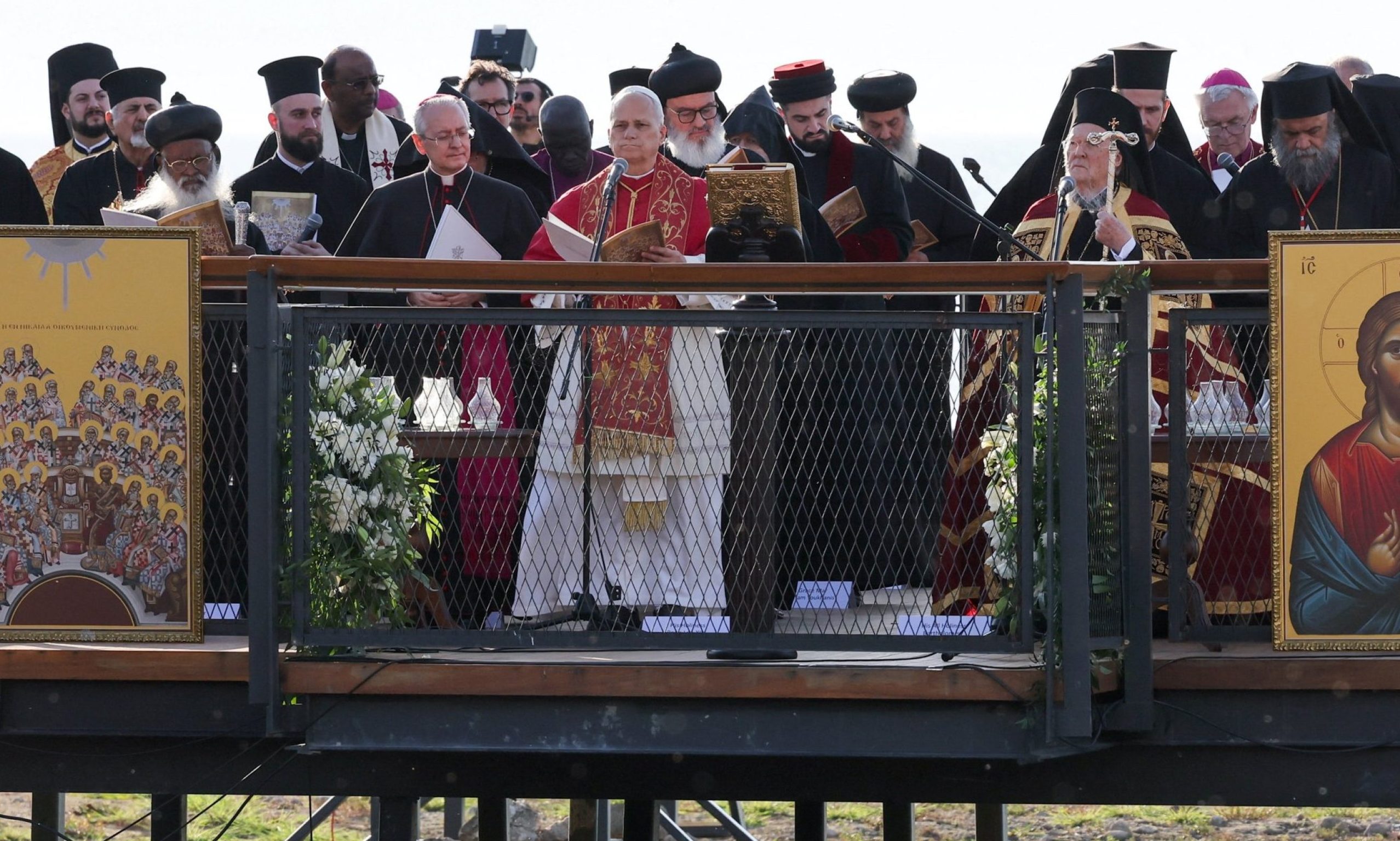

In the article I wrote after our educational trip to İznik (Nicaea) last March, which focused on İznik ceramics, I mentioned—based on statements from both the local community and the Vatican—that Pope Francis was planning to visit İznik before the end of the year. Sadly, he passed away before he could fulfill this wish. His successor, Pope Leo XIV, honored that intention and visited Turkey last week.
The visit generated significant attention both in Turkey and around the world. For the first time in the history of the Turkish Republic, a Pope came to İznik and conducted a religious service there. Although previous Popes had visited Turkey, none had ever held a liturgy during their stay. This time, however, the circumstances were different: the site of the ancient basilica where the First and Second Councils of Nicaea were held in the 4th and 5th centuries was rediscovered in 2014, carefully studied through archaeological work, and subsequently opened to visitors as a heritage site.

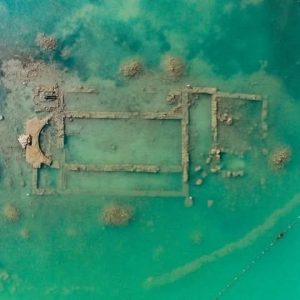
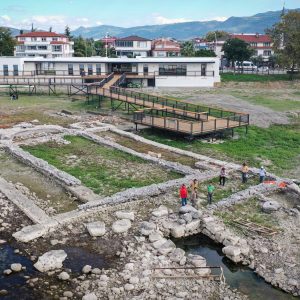
Turkey holds an essential place in the history of Christianity. The Seven Churches of Asia in the Aegean region draw thousands of pilgrims and history enthusiasts every year. Yet the basilica in İznik carries a distinct significance—because the decisions made during the Nicaean councils remain foundational for both the Catholic and Orthodox worlds.
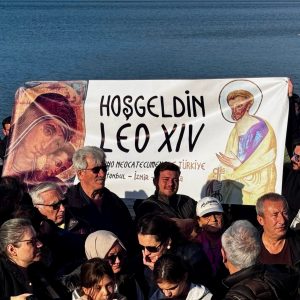
I read numerous articles and opinion pieces about the Pope’s visit. Interestingly, in a country where over 95% of the population is Muslim, the strongest reactions did not come from conservative Muslims, but rather from the Orthodox Turkish community and certain liberal-nationalist circles.
To be honest, I am not particularly concerned with the political dimension of the visit. What matters to me is Pope Leo’s heartfelt message for global peace, and I sincerely hope people take it seriously.
Following this historic event, I prepared a new day-trip itinerary from Istanbul to İznik, now including a visit to the newly excavated archaeological basilica-harbor site. You can find the details in the link below.
0 Comment